
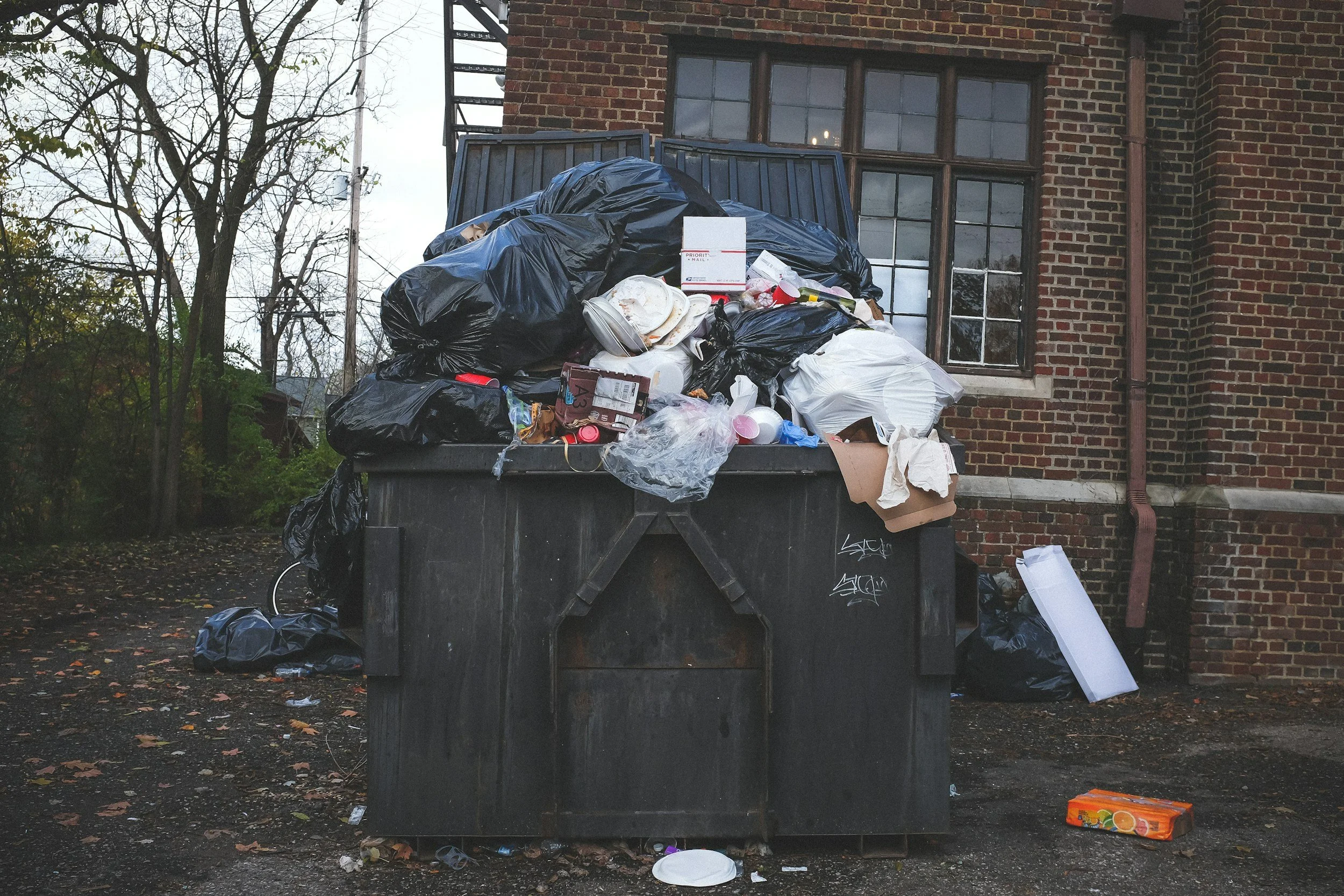
Dumpster Pad Cleanup
Understanding Apartment Dumpster Cleanup Services
Overflowing dumpsters are more than an eyesore — they create health hazards, attract pests, and drive tenant complaints that property managers simply can't ignore. Apartment dumpster cleanup is a specialized service designed to clear bulk waste, illegal dumping, and accumulated debris from residential dumpster areas, restoring order and sanitation to multi-unit properties across Connecticut.
Apartment Dumpster Cleanup: A professional waste removal service focused on clearing, sorting, and properly disposing of overflow waste, bulk items, and unauthorized dumping accumulated around residential dumpster enclosures.
At West End Junk, we service every corner of Connecticut — from Hartford County to the shoreline — because property managers throughout the state deal with the same frustrating cycle: tenants leave oversized furniture, contractors dump construction debris, and the mess compounds faster than routine hauling can keep up with.
What separates a dedicated cleanup service from standard trash pickup is the ability to handle bulk items, hazardous materials staging, and enclosure sanitization in a single visit. Standard municipal haulers won't touch most of it.
The result isn't just a cleaner dumpster area — it's a safer, more livable community for your tenants. Understanding the full range of benefits this service delivers is the natural next step.
Table of Contents
Key Benefits of Professional Dumpster Cleanup
A professional dumpster cleanup service does more than haul away trash — it actively protects property value, tenant health, and your reputation as a landlord or property manager.
Dumpster Cleanup Service: A professional service that removes bulk waste, debris, and overflow from dumpster areas, sanitizes the surrounding space, and restores safe, code-compliant conditions.
Here's what consistent professional cleanup delivers:
Pest and rodent control — Overflowing waste is a direct invitation for rats, raccoons, and insects. Clearing debris removes the food sources and nesting opportunities they depend on.
Reduced liability exposure — Improperly maintained waste areas can lead to slip-and-fall incidents or health code violations, creating real legal risk for property owners.
Improved tenant satisfaction — Clean common areas signal that management cares. Tenant retention is directly tied to how well shared spaces are maintained.
Regulatory compliance — Connecticut municipalities enforce waste management ordinances. A maintained dumpster area keeps your property off the violation list.
In practice, properties that schedule routine cleanups experience fewer emergency haul-outs and lower long-term waste management costs. Proactive maintenance almost always outperforms reactive cleanup.
Of course, understanding the benefits is one thing — knowing the specific obstacles Connecticut apartment communities face is another. The challenges of apartment waste management are often more complex than they first appear.
Contact West End Junk
Common Challenges in Apartment Waste Management
Even with a reliable apartment dumpster service in place, property managers across Connecticut face recurring obstacles that make waste management more complicated than it should be.
Dumpster contamination: The introduction of prohibited materials — such as electronics, hazardous chemicals, or oversized bulk items — into a shared dumpster, rendering it non-compliant with disposal regulations.
One of the most persistent issues is illegal dumping, where non-residents or tenants dispose of furniture, appliances, and construction debris in communal dumpsters. This rapidly fills capacity and creates overflow conditions between scheduled pickups.
Seasonal surges compound the problem. Move-in and move-out periods — common in late summer and early fall across Connecticut — generate spikes in bulk waste that standard pickup schedules simply can't accommodate. A single turnover weekend can leave a dumpster enclosure buried in mattresses, box springs, and bagged trash.
Other common pain points include:
Pest attraction from improperly sealed waste or food debris left around the enclosure
Enclosure damage caused by oversized items forced into too-small bins
Tenant complaints that escalate when cleanup is delayed
What typically happens without a proactive plan is a cycle of overflow, complaints, and emergency cleanups — each one more costly than the last. Choosing the right service provider can break that cycle entirely.
How West End Junk Approaches Dumpster Cleanup
Understanding the challenges of apartment waste management — from overflow incidents to bulk item buildup — naturally raises a practical question: what does a purpose-built solution actually look like in action?
West End Junk is a Connecticut-based junk removal company that structures its dumpster cleanup service around the specific demands of multifamily residential properties. Rather than applying a one-size-fits-all approach, the process is built around flexibility, reliability, and compliance with local waste disposal regulations.
Dumpster Area Remediation: The systematic removal of accumulated debris, bulk items, and hazardous materials from a property's waste collection zone — restoring it to a clean, functional, and code-compliant condition.
A typical service call covers several key priorities:
Bulk item removal — furniture, appliances, and mattresses that tenants leave behind
Debris clearing — broken-down cardboard, scattered trash bags, and loose waste
Recycling separation — sorting materials to meet Connecticut disposal guidelines
Site tidying — leaving the dumpster enclosure clean and accessible
In practice, consistent scheduling matters as much as the cleanup itself. A predictable service cadence prevents the kind of overflow buildup covered in earlier sections before it becomes a liability.
West End Junk services all of Connecticut, making it a practical option for property managers across the state — from Hartford County to the shoreline communities.
Want to learn more about what a professional junk removal visit includes? Our complete breakdown of the service process covers what to expect before, during, and after each appointment.
Conventional Wisdom vs. Reality in Junk Removal
Property managers often operate on assumptions about waste removal that sound reasonable on paper — but hold up poorly in practice. Challenging these assumptions is the first step toward smarter, more cost-effective building management.
Conventional wisdom in apartment waste management refers to the widely-held but frequently outdated beliefs about how junk removal and dumpster maintenance should work. The gap between these assumptions and reality can quietly drain time and budget.
A few of the most common misconceptions worth examining:
"Residents will self-manage bulk items." In practice, without clear systems and regular service, bulk items accumulate around dumpsters fast — creating eyesores and potential hazards.
"A dumpster rental alone is enough." A container is only part of the solution. Without scheduled cleanouts and an apartment clean out protocol for vacated units, waste problems compound quickly.
"One-time cleanups solve recurring issues." Overflow and clutter are cyclical, not one-off events. Properties with the lowest long-term costs tend to treat junk removal as an ongoing service, not an emergency response.
Apartment clean out: A structured removal of all remaining waste, furniture, and debris from a vacated or occupied unit — typically coordinated with tenant turnover or deep-cleaning cycles.
The reality is that proactive, scheduled service consistently outperforms reactive cleanups. Properties that recognize this shift from "fix it when it breaks" to "maintain it before it breaks" report fewer violations, stronger tenant satisfaction, and lower cumulative costs.
Seeing these principles play out in real apartment communities makes the difference between theory and results — which is exactly what the next section explores.
Example Scenarios of Successful Cleanups
Understanding how apartment dumpster cleanup works in theory is useful — but seeing it play out in real property situations makes the value concrete. The following scenarios illustrate common cleanup challenges that property managers across Connecticut regularly face and how a responsive, full-service approach addresses them.
Example scenario: A mid-size apartment complex in Hartford notices its dumpster enclosure has become a catch-all for broken furniture, bagged household waste, and loose debris after a wave of move-outs. Rather than waiting weeks for a scheduled haul or navigating a dumpster rental Connecticut provider that drops off a container and leaves, the property manager contacts West End Junk for same-week service. The crew sorts, loads, and clears the enclosure — reducing liability exposure and restoring curb appeal before new tenants arrive.
Example scenario: A coastal Connecticut property struggles with seasonal bulk item accumulation — mattresses, box springs, and appliances left beside the bins after summer lease turnover. A single service call removes everything in one visit.
Bulk item overflow: The buildup of large, non-containerized waste items — such as furniture or appliances — around dumpster areas that cannot be addressed through standard waste pickup.
These patterns repeat across properties of every size. Of course, even well-executed services come with real-world constraints worth understanding before scheduling.
Limitations and Considerations in Service Delivery
The real-world scenarios covered earlier paint an optimistic picture — and for good reason. Professional apartment dumpster cleanup genuinely delivers results that DIY approaches rarely match. But a complete picture requires honest acknowledgment of where limitations exist and what property managers should plan around.
Service availability windows are a practical reality. High-demand periods — end-of-month turnover seasons, post-holiday cleanouts, summer lease transitions — mean scheduling can tighten quickly. For junk removal Connecticut properties, coordinating removal during peak rental turnover in cities like Hartford, New Haven, or Bridgeport requires advance planning rather than last-minute calls.
Access constraints also matter. Narrow driveways, low-clearance parking structures, or buildings without loading docks can limit what equipment crews can bring in. A qualified provider will conduct a site assessment before committing to a scope of work — and any company that skips this step is worth questioning.
Material restrictions: Certain items — including hazardous waste, asbestos-containing materials, and some electronics — fall outside standard residential junk removal scope and require specialized disposal pathways.
Finally, pricing transparency varies across providers. Volume-based, time-based, and flat-rate models each carry trade-offs depending on your cleanup scope. Understanding which pricing structure applies before work begins prevents billing surprises after the fact.
That pricing question connects directly to a broader decision many property managers face: whether a scheduled dumpster rental or a full-service junk removal crew better fits their situation — a comparison worth examining closely.
Comparison: Rent a Dumpster vs. Junk Removal Service
When managing apartment cleanouts CT properties require, one of the most common decisions landlords and property managers face is whether to rent a dumpster or hire a full-service junk removal team. Both options have their place — but they serve very different needs.
Dumpster Rental: A temporary container placed on-site that you fill yourself over a set rental period, typically ranging from a few days to two weeks.
With a dumpster rental, you're doing the heavy lifting — literally. You load debris at your own pace, which works well for long renovation projects where waste accumulates gradually. However, this approach puts labor, sorting, and disposal compliance squarely on your shoulders.
Full-service junk removal, by contrast, means a trained crew handles everything: loading, hauling, and responsible disposal. For apartment turnovers, this speed advantage is hard to overstate. A vacant unit generates zero rental income, so minimizing downtime matters.
Key differences to consider:
Labor: Dumpster rentals require your own crew; junk removal includes it
Timeline: Rentals allow flexibility; junk removal is typically same-day or next-day
Cost structure: Rentals charge by container size; junk removal charges by volume or load
Permit requirements: Dumpsters placed on public property often require municipal permits
In practice, multi-unit apartment situations — where multiple units clear out simultaneously — tend to favor professional junk removal services for efficiency and accountability.
Curious how these options compare when applied to specific Connecticut property situations? The answers to the most commonly asked questions are coming up next.
Frequently Asked Questions About Dumpster Cleanup
Landlords and property managers across Connecticut regularly reach out with similar questions before scheduling service. Here are straightforward answers to the most common ones.
How quickly can West End Junk respond to an overflow cleanup situation? In most cases, same-day or next-day scheduling is available for urgent needs. Overflow cleanup — the removal of trash and debris that has accumulated beyond a dumpster's capacity and spilled into surrounding areas — is treated as a priority service, since uncontained waste creates health and safety risks quickly.
What items can't be removed during a standard apartment dumpster cleanup? Hazardous materials such as paint, solvents, and certain electronics typically require specialized disposal. West End Junk will flag these items and guide property owners toward appropriate disposal options.
Does West End Junk service the entire state of Connecticut? Yes. Service extends across all of Connecticut, from Hartford County to Fairfield, New Haven, and beyond.
Is a dumpster rental necessary before scheduling cleanup? Not at all. West End Junk handles the full removal process directly — no rental coordination required on your end.
These answers cover the essentials, but every property situation carries its own nuances. The key takeaways ahead will help you consolidate everything into a clear action plan.
Key Takeaways
Managing tenant turnovers, bulk waste, and property cleanouts doesn't have to be complicated. Choosing the right apartment dumpster cleanup service Connecticut landlords and property managers rely on comes down to understanding your options, your timeline, and the scale of the job.
Here's what the full guide points to:
Dumpster rentals give you flexibility and control over multi-day cleanouts, while full-service junk removal is faster for single-session jobs where labor matters.
Connecticut properties face specific disposal regulations — working with a knowledgeable local provider helps you stay compliant without guesswork.
Pricing varies by volume, access, and debris type. Getting a clear quote upfront protects your budget.
Timing matters. Scheduling service between tenants — not after the next lease begins — reduces stress and turnover delays.
The right cleanup partner turns a chaotic unit into a rent-ready property faster than any DIY approach can.
West End Junk proudly services all of Connecticut, bringing straightforward pricing, reliable scheduling, and hands-on experience to every apartment cleanout. Whether you're managing a single-family rental or a multi-unit building, the team is ready to help.
Contact West End Junk today to schedule your Connecticut apartment cleanout.